End-to-End Logistics in India: How Integrated Freight, Clearing & Warehousing Save Time and Money
Indian importers and exporters routinely juggle four or five logistics vendors: a freight forwarder, a customs broker, a trucker, a warehouse operator, and sometimes a last-mile courier. Each hand-off introduces a delay, a documentation gap, and a fresh invoice. Over a year, these frictions add up to lakhs — sometimes crores — of avoidable cost.
An end-to-end logistics partner rolls all of these functions into a single accountable contract. In this post we break down what end-to-end really means, the four levers it pulls to reduce cost, and when it makes sense to consolidate versus stay fragmented.
What does "end-to-end logistics" actually include?
At a minimum, a true end-to-end provider in India offers all of the following under one roof:
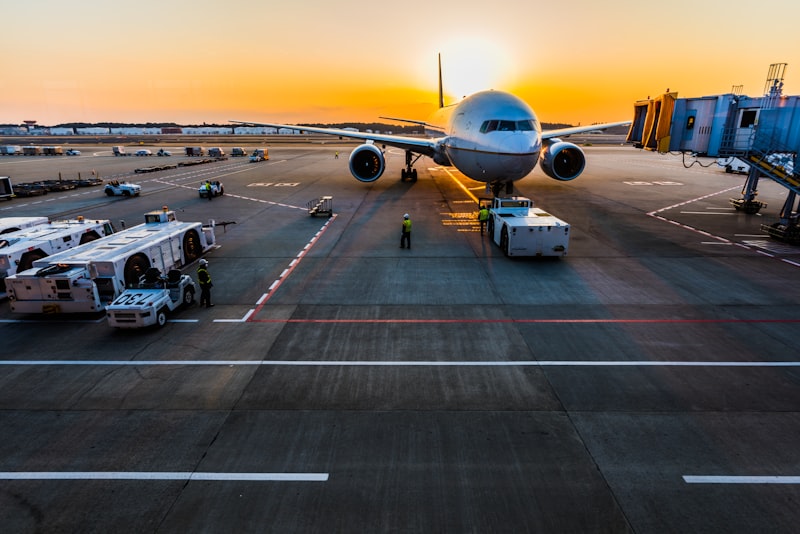
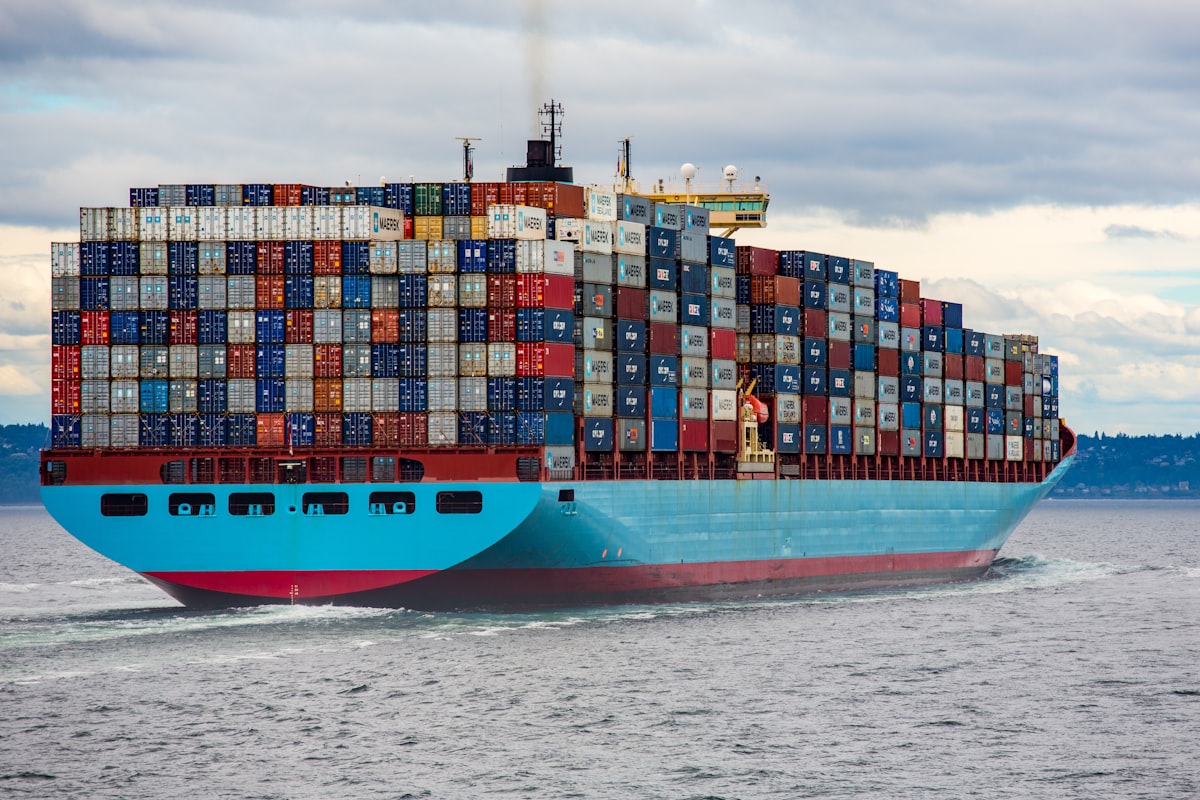
- Freight forwarding — sea (FCL / LCL) and air, with negotiated rates across MLOs like Maersk, MSC, CMA CGM, Hapag-Lloyd, and airlines out of Mumbai, Delhi and Bengaluru.
- Customs clearing — a licensed Customs Broker (CHA) filing Bill of Entry or Shipping Bill on ICEGATE, handling inspections, duty assessment and regulatory clearances (FSSAI, BIS, Plant Quarantine).
- Inland haulage & transportation — container trailers between ports and ICDs, factory pickup, last-mile delivery.
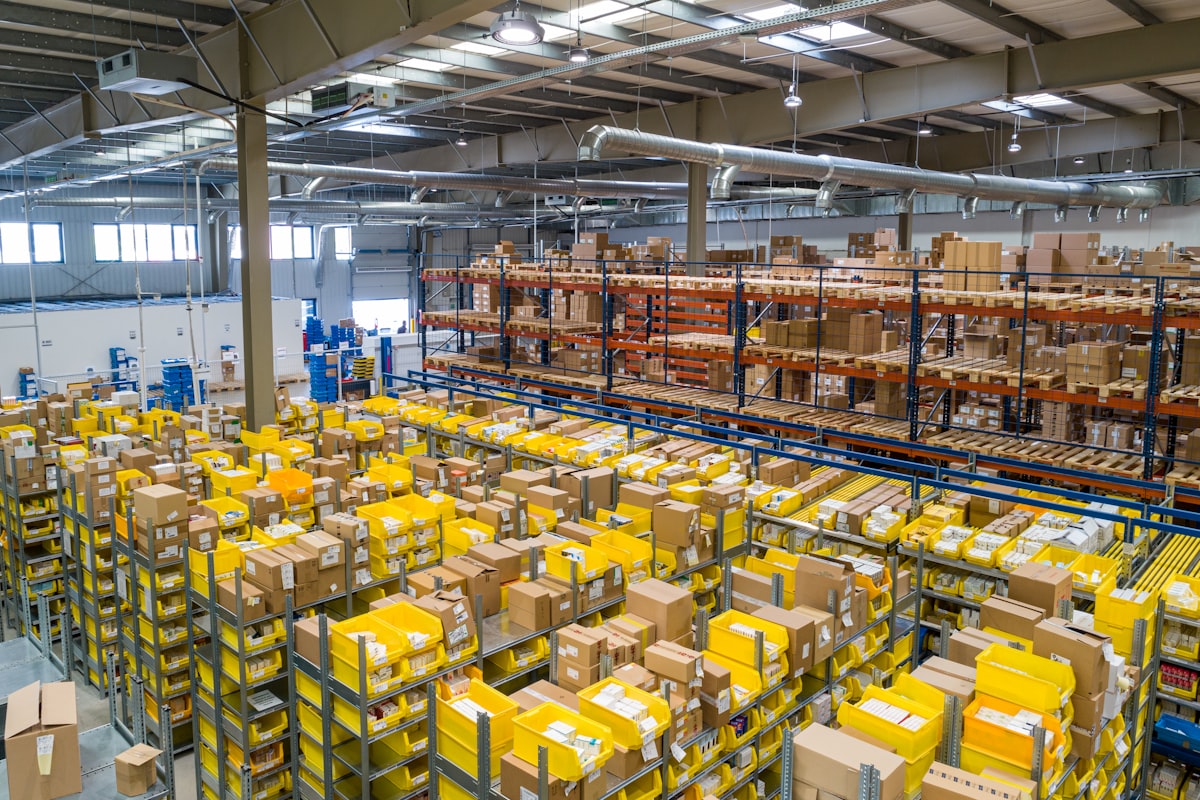
- Warehousing & distribution — port-adjacent storage, inventory management, pick-and-pack, onward dispatch.
Four ways integration reduces cost and risk
1. Fewer hand-offs, fewer demurrage hits
Port demurrage and container detention charges are among the biggest avoidable cost buckets in Indian trade. When customs, haulage and warehousing sit in separate companies, each waits for the other — and the clock runs. An integrated operator synchronises trailer dispatch against Out-of-Charge timing and free-day expiry, pulling containers off the port before demurrage triggers.
2. One invoice, transparent cost structure
Multi-vendor supply chains produce surprise line-items: terminal handling, documentation fees, gate-in charges, overtime, waiting charges. An end-to-end contract prices the full door-to-door move up front, so you can compare quotes on total landed cost — the only number that actually matters.
3. Documentation flows in one continuous chain
When the freight forwarder and the CHA are the same company, the Bill of Lading, Shipping Bill, ARE-1, packing list and e-Way bill don\'t need to be re-keyed between vendors. Fewer re-entries means fewer mistakes, fewer rejected consignments, and no finger-pointing when something goes wrong.
4. Strategic advice, not just transactional service
A partner with visibility across your full chain can recommend things an individual vendor can\'t: FCL vs LCL breakpoints, FTA optimisation under India-UAE or India-Australia agreements, EPCG and Advance Authorisation planning, port-of-entry shifts to avoid congestion, and bonded warehouse strategies to defer duty. That advisory layer is worth more than any single rate negotiation.
When integrated logistics isn\'t the right answer
End-to-end isn\'t universally best. A few scenarios where fragmented vendors still win:
- Very large shippers (10,000+ TEU a year) who benefit from playing multiple forwarders against each other on raw freight rates.
- Highly specialised cargo (live animals, nuclear materials, certain hazmat classes) where a niche specialist is required by regulation.
- Captive in-house logistics arms at large manufacturing groups where integration already exists internally.
For most Indian SMEs and mid-market manufacturers, though, a single end-to-end partner is faster and cheaper on a fully-loaded basis.
What to look for in an end-to-end partner
- A licensed Customs Broker (CB number, not just a freight agent).
- Coverage at every port you use — JNPT, Mumbai, Mundra, Chennai, Kolkata, Cochin — not just one.
- Owned or long-term contracted trailer capacity, not spot-market buying.
- Warehousing near origin or destination port, not 200 km away.
- A decade-plus operational track record — customs relationships are built, not bought.
How Dhanraj & Sons delivers end-to-end logistics
With Customs Broker Licence CB No. 11/2004 and 88+ years of trade history, Dhanraj & Sons operates the full stack: freight forwarding across all major Indian ports, in-house CHA team, PAN India trailer and trucking network, and warehousing near JNPT and Mumbai Sea Port. One point of contact, one invoice, one SLA — from your factory gate to your buyer\'s door.
If you\'re evaluating whether an integrated partner makes sense for your volume, request a free landed-cost comparison — we\'ll benchmark your current multi-vendor costs against an end-to-end quote with no obligation.
Need Help with Logistics?
Our team of experts is ready to assist with your freight forwarding and customs clearing needs.
Get a Free Quote